Planning permission and Building Control are two different questions. Planning asks whether you're allowed to build something. Building Control asks whether the thing you've built is safe and compliant. You can have full planning permission and still fail Building Control, and most of our jobs need a Building Control submission whether or not they ever needed planning.
Here's what's actually in the pack we produce, and why it's the document that gets your project built rather than just drawn.
Two routes: full plans vs building notice
There are two ways to deal with Building Control, and they're not equal.
- Full plans, you submit detailed drawings and structural calculations up front. The building control body (your council or an Approved Inspector) checks them before work starts and issues approval. Problems get caught on paper, and your builder prices from an approved set.
- Building notice, a lighter route where you notify Building Control 48 hours before starting and they inspect as the work goes up, with no full drawings checked in advance. The paperwork is cheaper, but issues surface mid-build, and you can't use it for some work (for example, building over a public sewer).
We work to full plans every time. A surprise on a drawing is cheap to fix. A surprise in a dug foundation is not.
What's in the pack
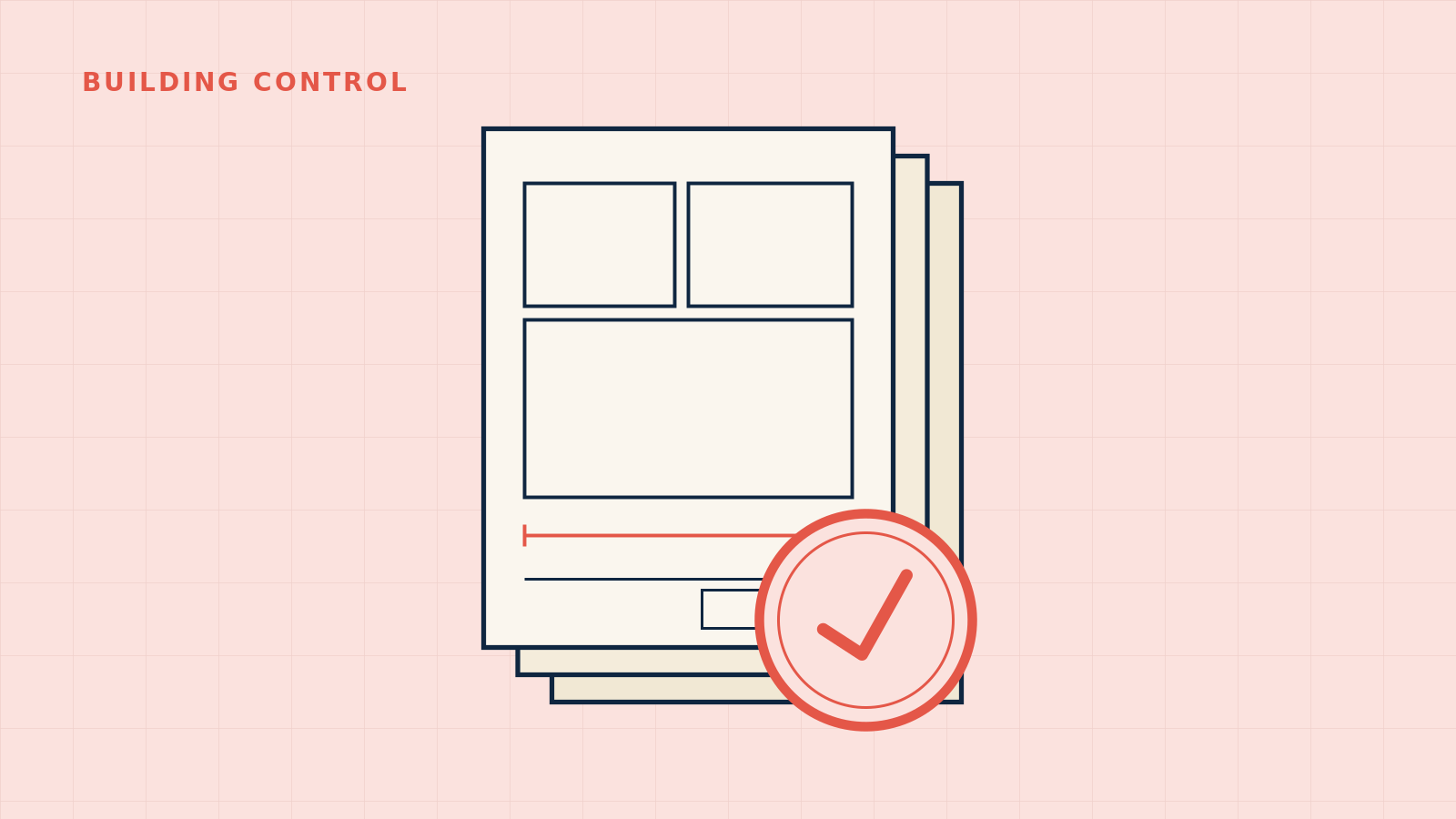
A full Building Control submission for a typical loft or extension includes:
Existing and proposed drawings
Scaled plans, elevations and sections showing the building as it is and as it will be, floor layouts, roof, structure, the lot. These define exactly what's being built.
Structural calculations
The calculations that prove the structure stands up: new beams and steels (with sizes and a steel schedule your builder prices from), floor joist sizing, foundation design, padstones and bearings, lateral restraint. This is the part "drawings-only" outfits leave out, and the part Building Control and your builder care about most.
Construction details and specifications
Section details showing how it's built, insulation build-ups, junctions, damp-proofing, ventilation. The notes that tell the builder the method, not just the shape.
Regulations compliance
The pack demonstrates compliance with the relevant parts of the Building Regulations. For a loft or extension that usually means:
- Part A, structure (the calcs above)
- Part B, fire safety. Critical for loft conversions, which change the escape route of the whole house, not just the new floor
- Part L, conservation of fuel and power (insulation and U-values)
- Part K, protection from falling (stairs and guarding)
- Part F, ventilation
- Part P, electrical safety
- Drainage where you're connecting to, or building over, existing sewers
Why "drawings" alone aren't enough
Plenty of cheaper outfits sell you "planning drawings", pretty plans that get you through planning and then leave you arguing with a Building Control officer and a confused builder on site. A Building Control submission pack is the document the council actually approves and the builder actually builds from. It's the difference between a sketch and a buildable, signed-off design.
Our packages include the full Building Control submission pack and the structural calcs as standard, not as an add-on you discover later. You or your builder lodge that pack with the council or an Approved Inspector.
Fees, the honest bit
Building Control charges its own fee, separate from our drawing pack. It varies by council or Approved Inspector and by the size of the job, so there's no single national number we can quote. We tell you who to submit to and roughly what to expect for your specific project before you book, no surprises.
TL;DR
- Planning = "are you allowed to build it"; Building Control = "is it built safely and to the regs"
- We work to full plans (checked before work starts), not building notice (inspected as you go)
- The pack: existing/proposed drawings, structural calcs and steel schedule, construction details, regs compliance (Parts A, B, L, K, F, P), drainage
- Structural calcs are included as standard, that's what the builder and Building Control actually need
- Building Control's own fee is separate and varies by council and project, we tell you what to expect before you book